
The Allure of Casino Games
Casino games are designed to captivate players, drawing them into an environment filled with excitement and the promise of winning. The bright lights, engaging sounds, and enticing visuals create a sensory experience that stimulates the brain’s reward system. This environment is expertly crafted to make players feel a rush of adrenaline, leading them to the best online casinos in canada spend more time and money than they initially intended.
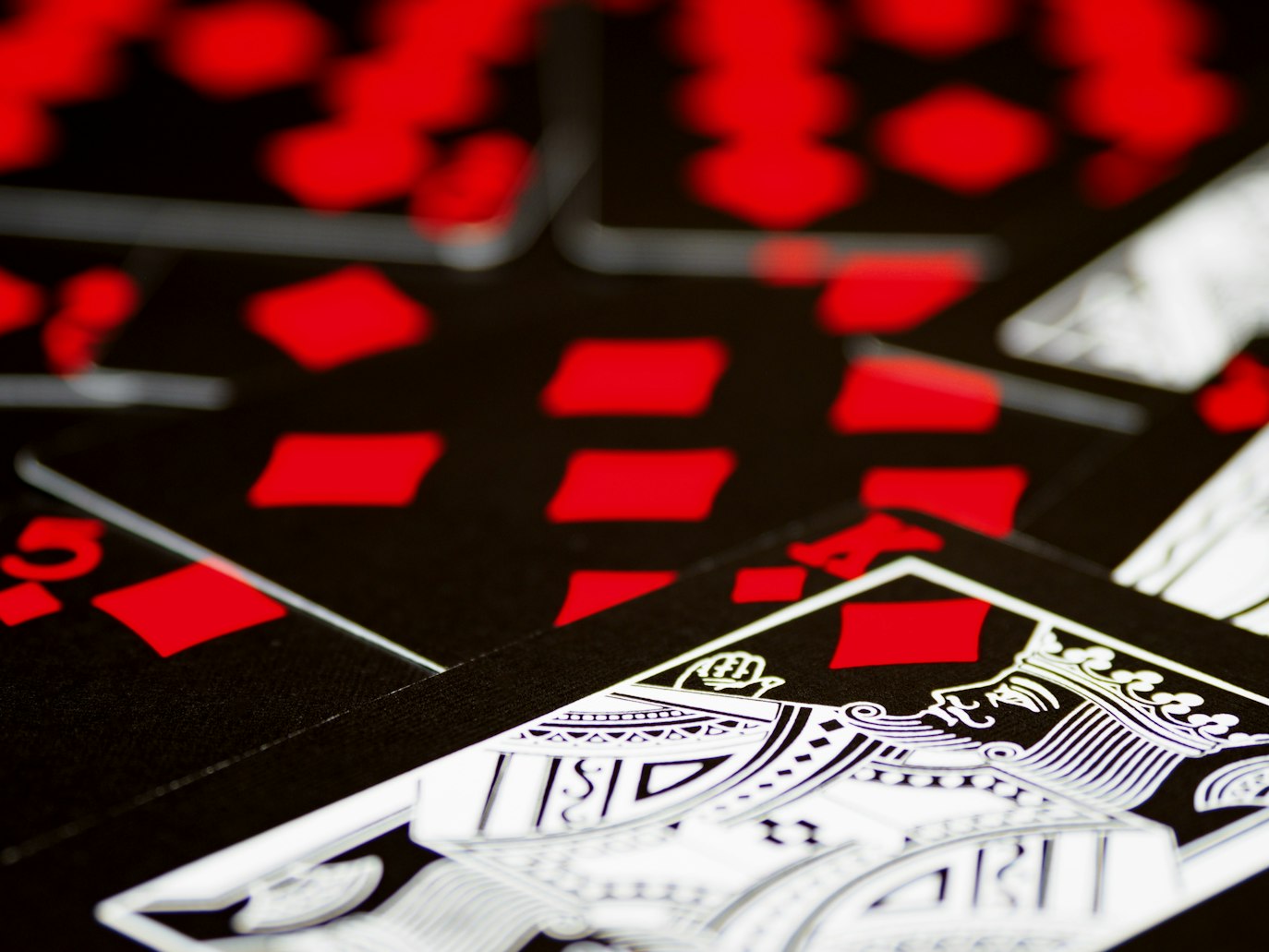
Psychologically, the allure of casino games lies in their ability to combine elements of chance with the illusion of skill. Players often believe they can leverage strategies to improve their odds, which can lead to repeated play. This mixture of randomness and perceived control fosters a powerful psychological engagement, making games irresistible to many individuals.
The Role of Cognitive Biases
Cognitive biases play a significant role in how players perceive their chances of winning at casino games. The illusion of control, for instance, is a common bias where players believe they can influence the outcome of games that are fundamentally based on luck. This misconception can lead to increased playing time as players feel more confident about their abilities despite the odds.
Another prevalent bias is the gambler’s fallacy, where individuals assume that past events can influence future outcomes. For example, if a slot machine hasn’t paid out for a while, players may believe that it’s “due” for a win, prompting them to continue playing in hopes of a substantial payout. These biases not only impact individual behavior but also contribute to the overall revenue generated by casinos.
Emotional Triggers and Reward Systems
The emotional triggers associated with casino games are profound and multifaceted. Winning evokes feelings of joy and excitement, reinforcing players’ behaviors through a cycle of reward and reinforcement. This phenomenon is closely related to variable reward schedules, where the random nature of wins increases dopamine release in the brain, making the experience more addictive and compelling.
Moreover, the anticipation of a potential win can provoke anxiety and excitement, leading to heightened emotional responses. This emotional rollercoaster keeps players engaged, often resulting in a longer gaming session than originally planned. Understanding these emotional triggers can help in grasping why many players are drawn back to casinos time and again.
Social Influence and Peer Dynamics
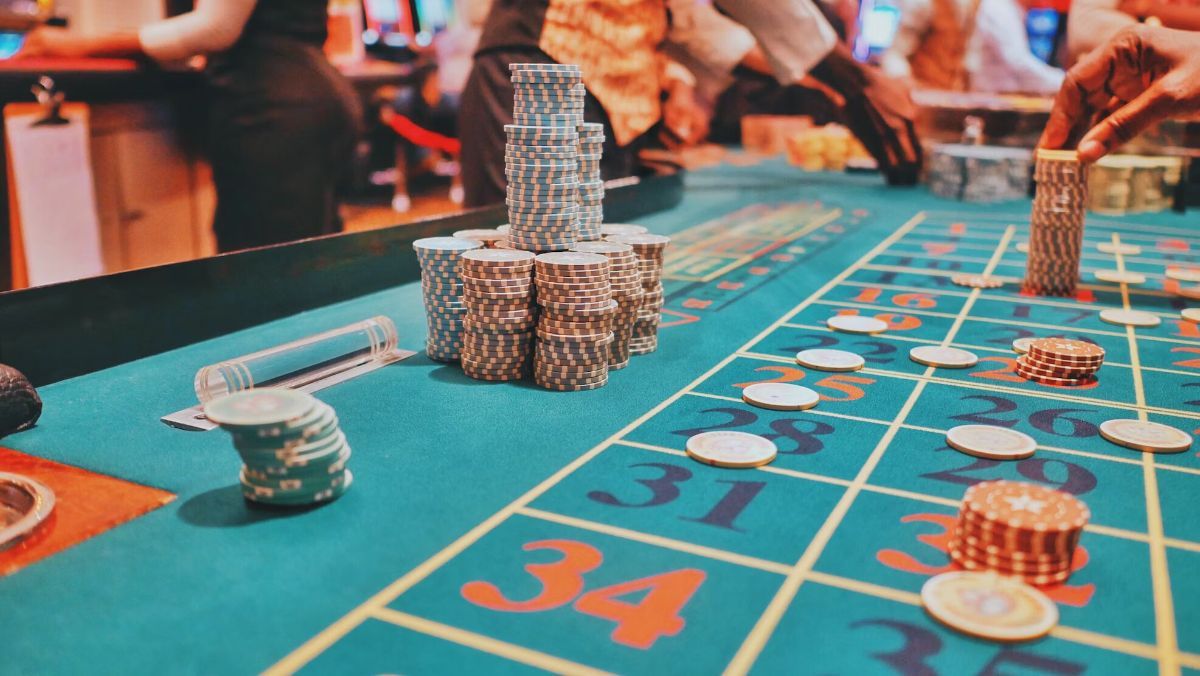
Social dynamics play a crucial role in player behavior in casino settings. Often, people are influenced by the presence and reactions of others, leading to a contagion effect where excitement and engagement spread among players. This social aspect can lower inhibitions, encouraging individuals to gamble more freely when surrounded by peers or strangers who are also participating in the excitement.
Furthermore, casinos often leverage social experiences to enhance player engagement. Group games or communal settings foster a sense of camaraderie and competition, which can amplify thrill and investment in the game. The communal aspect of gambling creates a unique environment where social support and risk-taking are interlinked, further complicating an individual’s decision-making process.
Exploring Resources and Support
This website serves as a valuable resource for understanding the intricacies of gambling behavior and its psychological dimensions. By providing access to various tools, articles, and support mechanisms, visitors can gain deeper insights into their gaming habits and behaviors. Whether seeking assistance or simply wanting to learn more, this platform is designed to cater to diverse needs.
Additionally, the site continually updates its content and resources, ensuring that users have access to the latest information and trends in the gambling world. Engaging with such resources not only enhances user experience but also empowers individuals to make informed decisions about their gaming habits, contributing to a healthier relationship with casino games.